Christian Koivumaa

Christian Koivumaa

1978

Bio

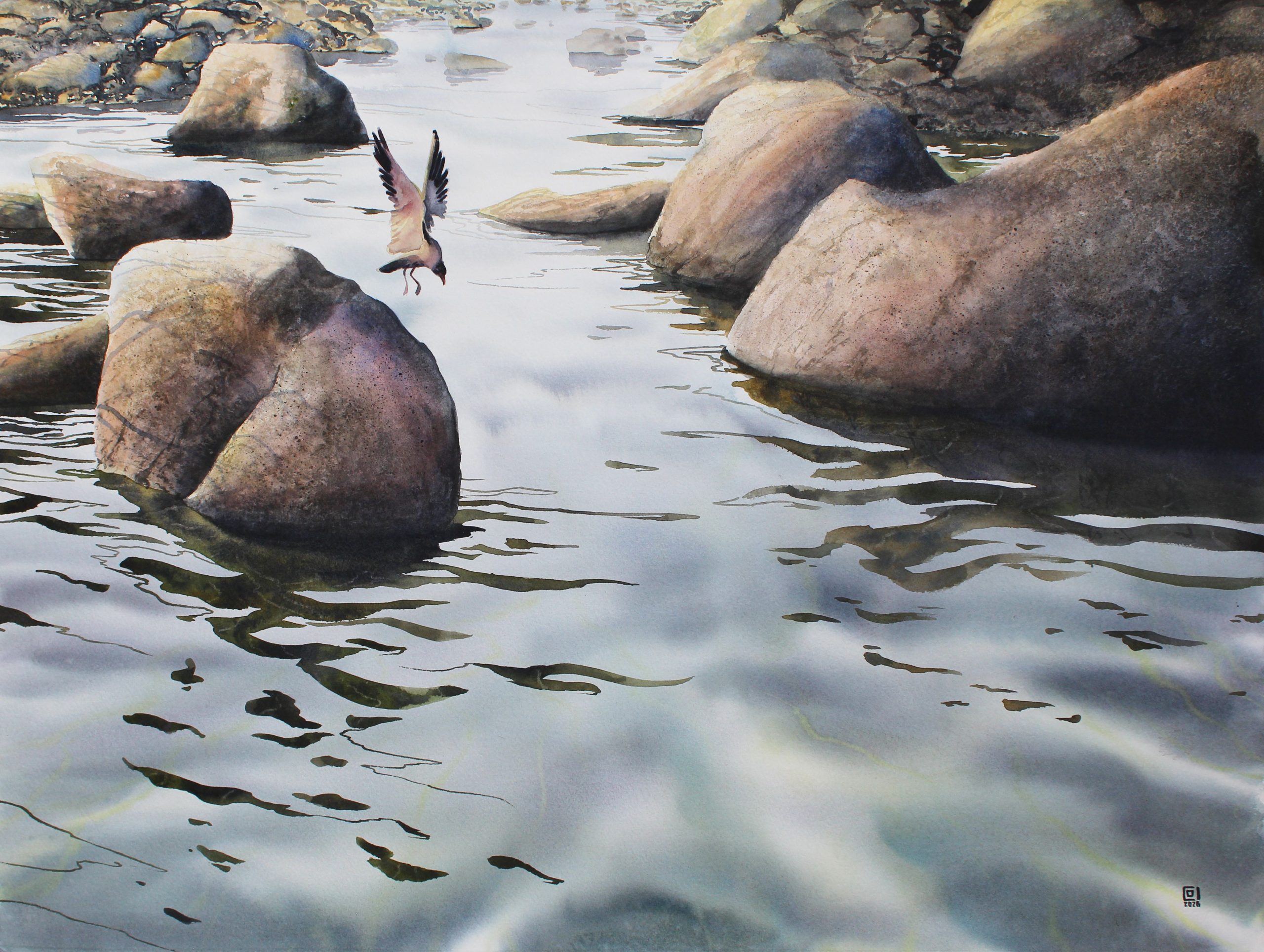
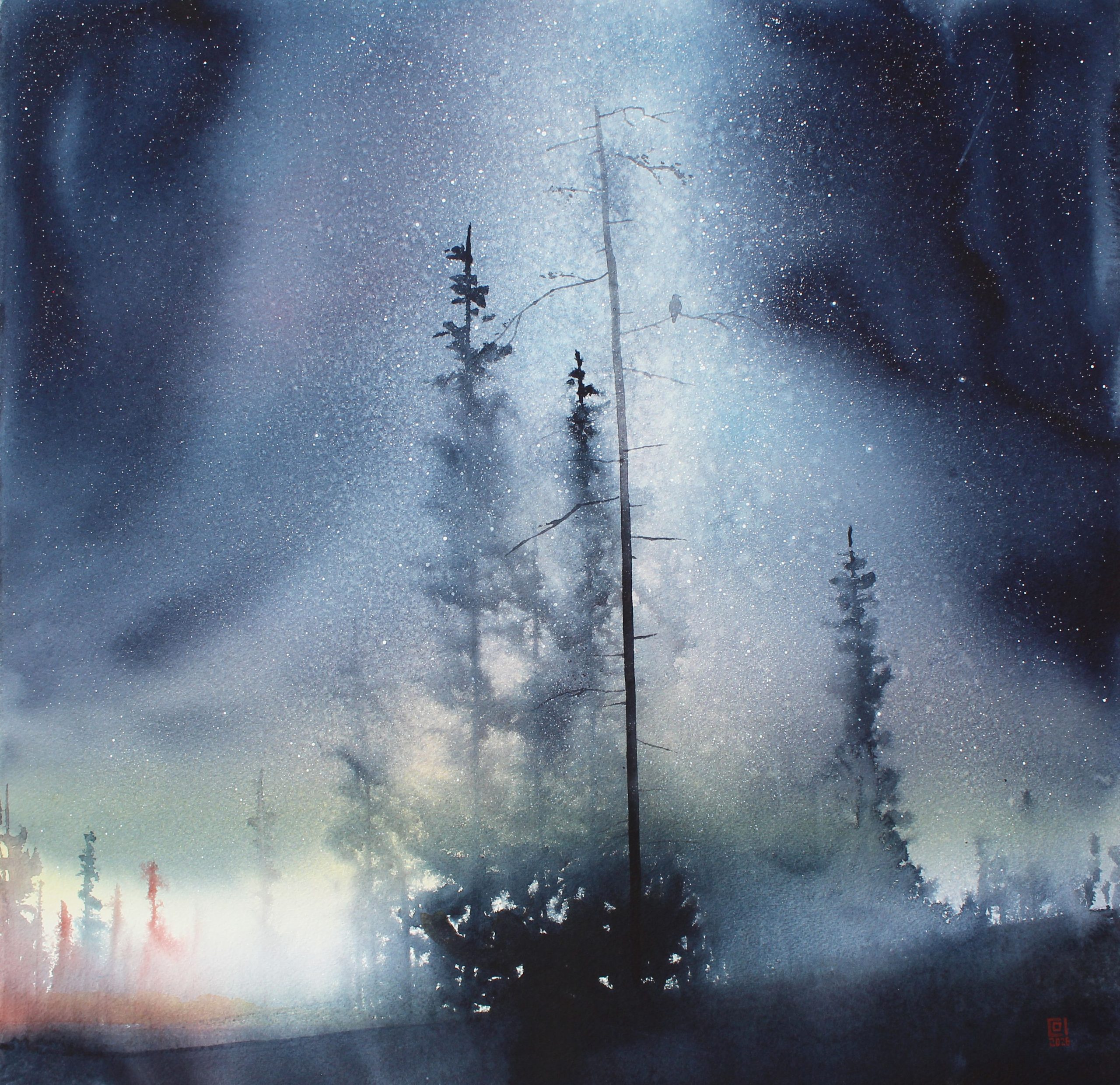
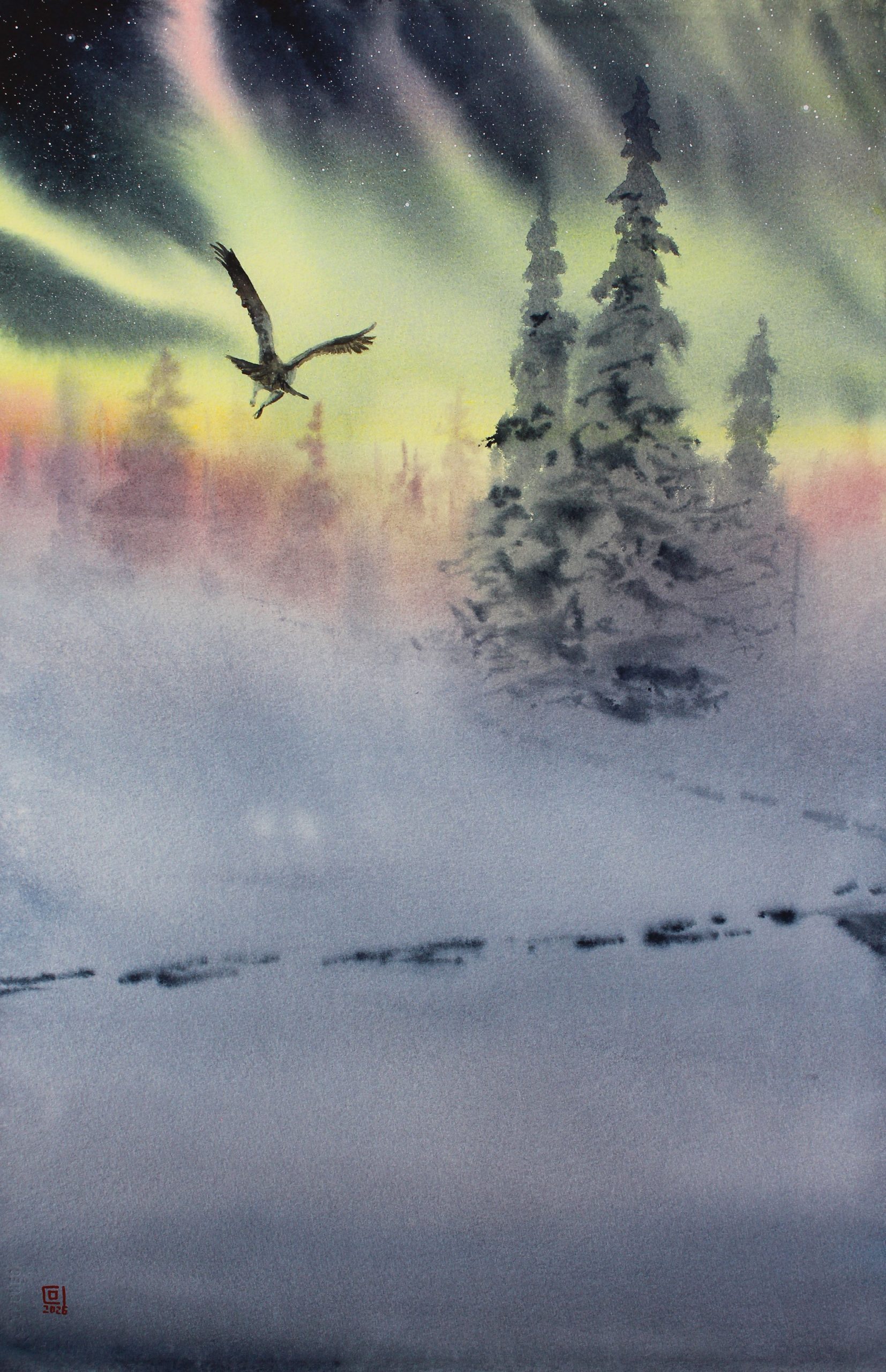
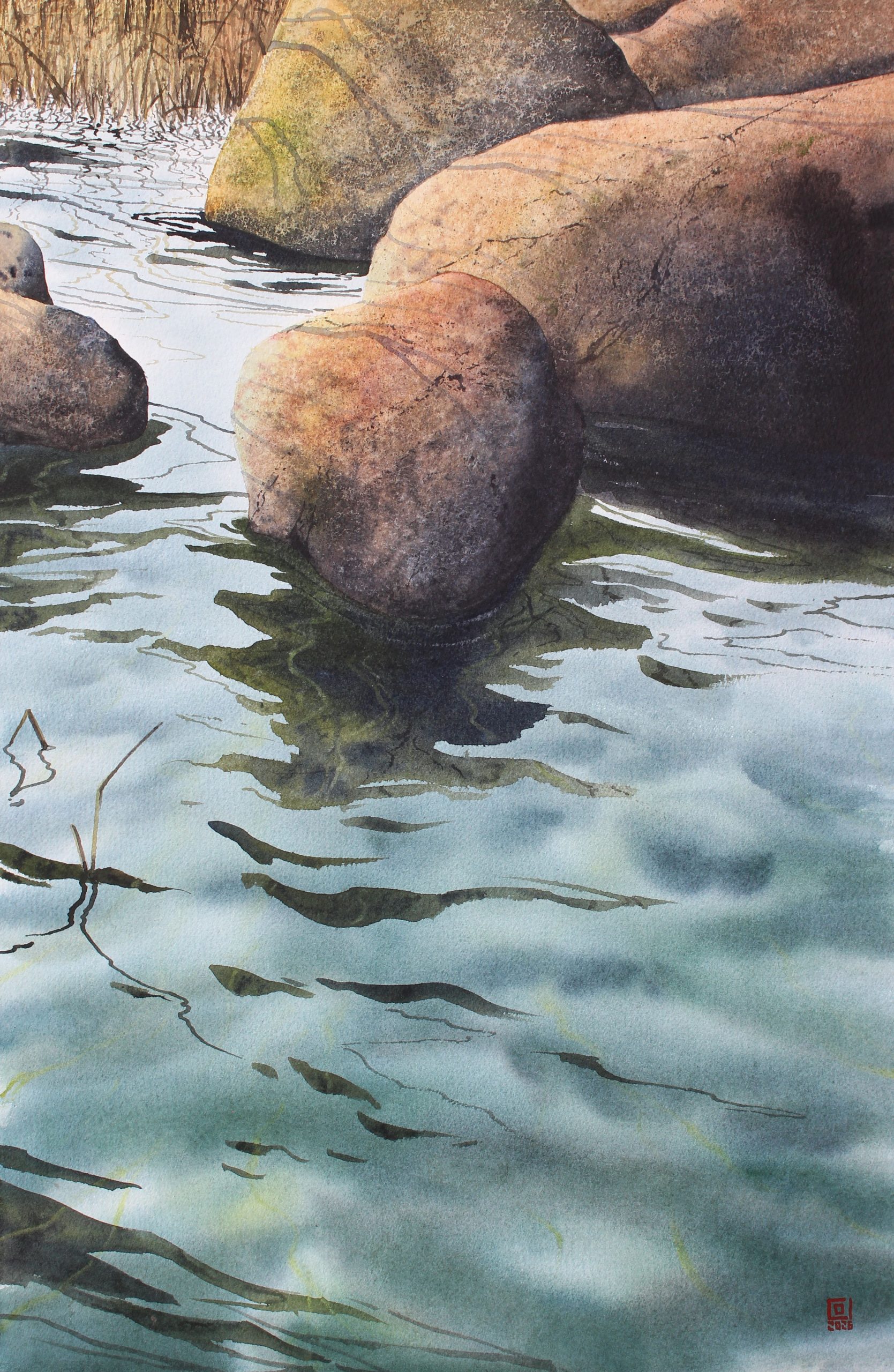
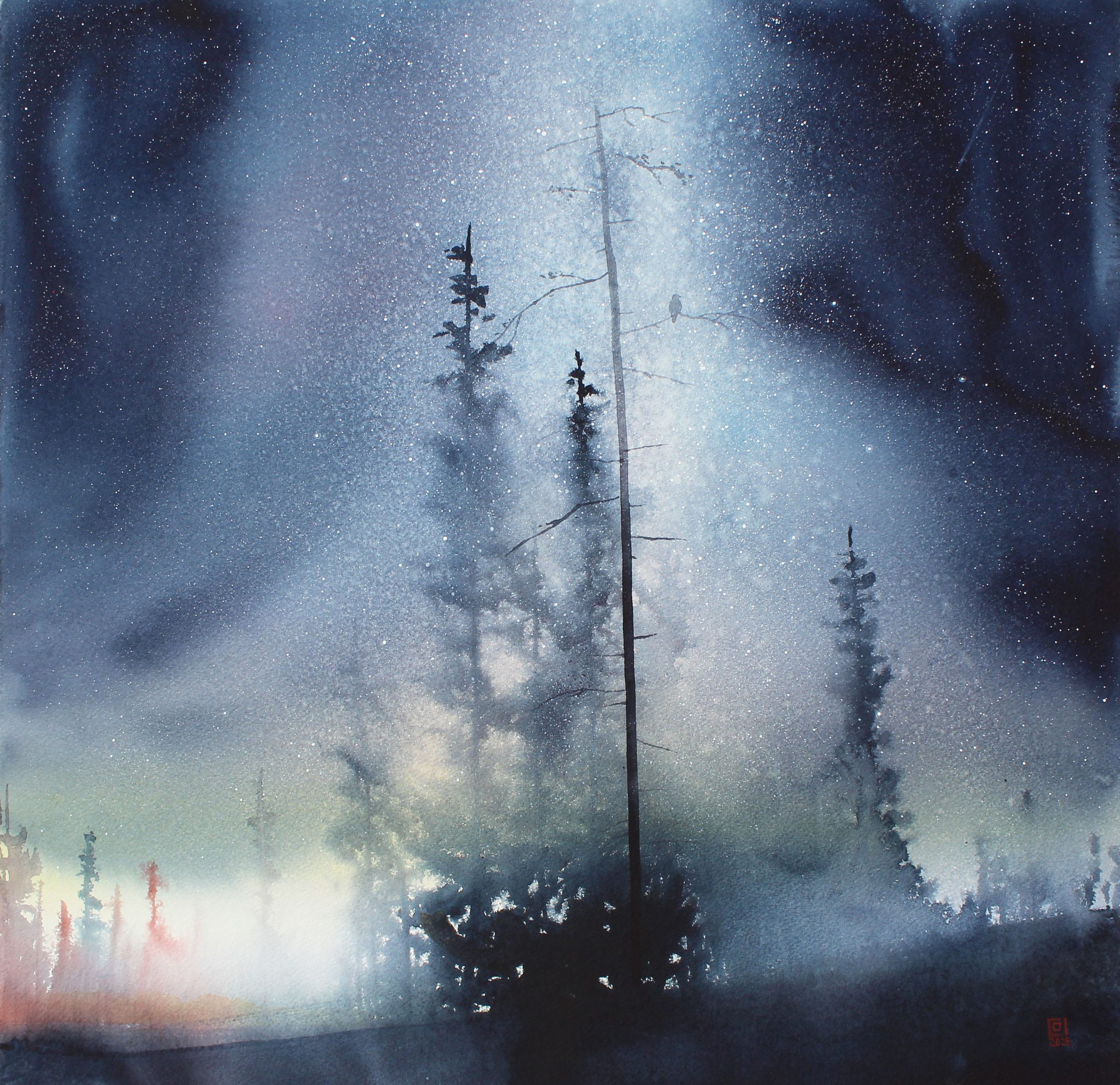
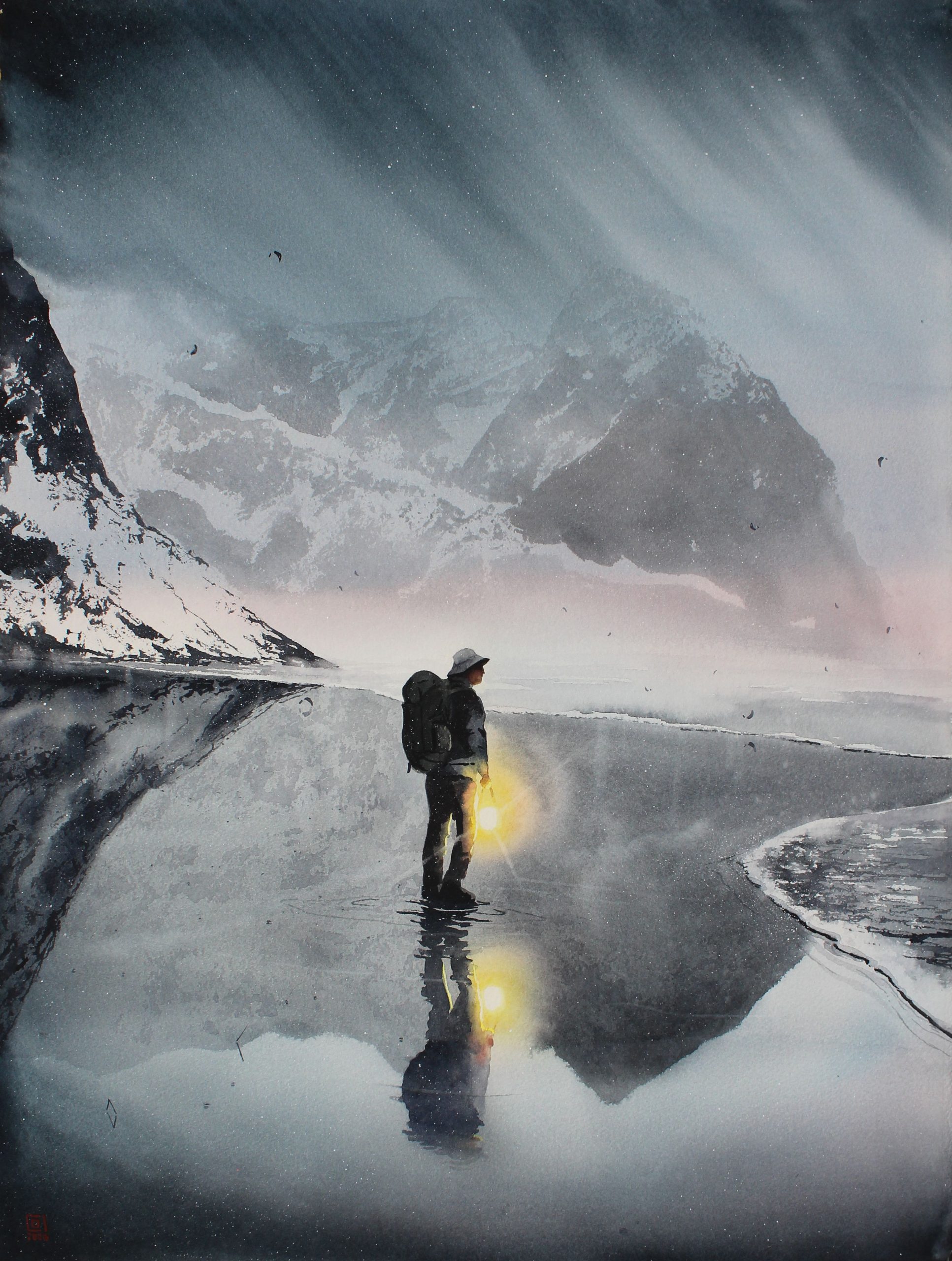
Christian Koivumaa (b.1978) is a Swedish contemporary watercolor artist with roots in northern Sweden and is currently based in Katrineholm. Working almost exclusively in watercolor, he has developed a distinctive visual language defined by luminous light, atmospheric depth and exceptional technical precision. Originally an elite karate athlete, Koivumaa represented the national team all over the world for many years. An injury brought his sporting career to an end. The discipline, focus and perseverance developed through sports formed a foundation of his artistic practice. His work is inspired by the ever-changing qualities of light, from the quiet presence of northern landscapes and the Aurora Borealis to the rhythm and architecture of contemporary cities. Through transparent layers and refined wet-on-wet technique, Koivumaa creates paintings that balance realism with emotion, inviting viewers to experience familiar places through memory. Today, Koivumaa’s paintings are represented by one of Sweden's top fine art Galleries (Gallery Melefors Fine Art) and are held in private collections in Sweden and internationally. Alongside his artistic practice, he has taught watercolor to approx. 20 000 students worldwide and collaborates with the the best manufacturers of professional watercolor materials (Arches, Princeton and Daler-Rowney).

Artworks

Exhibitions

Christian Koivumaa – Watercolors

|

News

Automobili

"We declare that the splendor of the world has been enriched by a new beauty: the beauty of speed. A racing car, with its hood adorned by thick pipes like serpents with explosive breath... a roaring automobile, which seems to race on a hail of machine-gun fire, is more beautiful than the Winged Victory of Samothrace." — Filippo Marinetti, "Futurist Manifesto"


More than a century ago, in his "Futurist Manifesto," Filippo Marinetti proclaimed the beauty of the automobile; over time, this four-wheeled "speed machine" has become a beloved subject for artists everywhere.


Here, we present a few examples—spanning both painting and photography—that capture the distinct poetics underlying each work.


The art of Ali Moradi reflects a life lived between two opposing worlds: the noisy environment of his father’s auto-repair workshop, and the silence and expressiveness of the world of painting. These experiences eventually merged into a worldview in which the cold metal of automobiles and the fluid nature of art combine to form a unique language for expressing emotions.

In the work "Car," Francesca Galliani depicts an imposing red vehicle moving across old printed pages—perhaps a cautionary note on the rapid passage of time.

The work of Enrico Pescantini, drawn from his series on Barbie, juxtaposes the vintage cars of Cuba with the convertible belonging to the world’s most famous doll; both are linked by an unmistakable, vibrant "shocking pink."

Giulio Ruffini’s paintings are part of his "Road Accidents" series, begun in the mid-1960s—a period defined by the economic boom and mass industrialization. As the metropolitan landscape transformed, streets became crowded with signs, traffic signals, and automobiles. By depicting crumpled sheet metal and injured bodies on a large scale, Ruffini issued a warning against this reckless race toward the future.

Automobiles now populate—and, one might say, congest—our streets. Carolina Magnin, reworking vintage photographs from the 1950s and 60s, portrays them packed into parking lots or caught in traffic jams throughout the city.

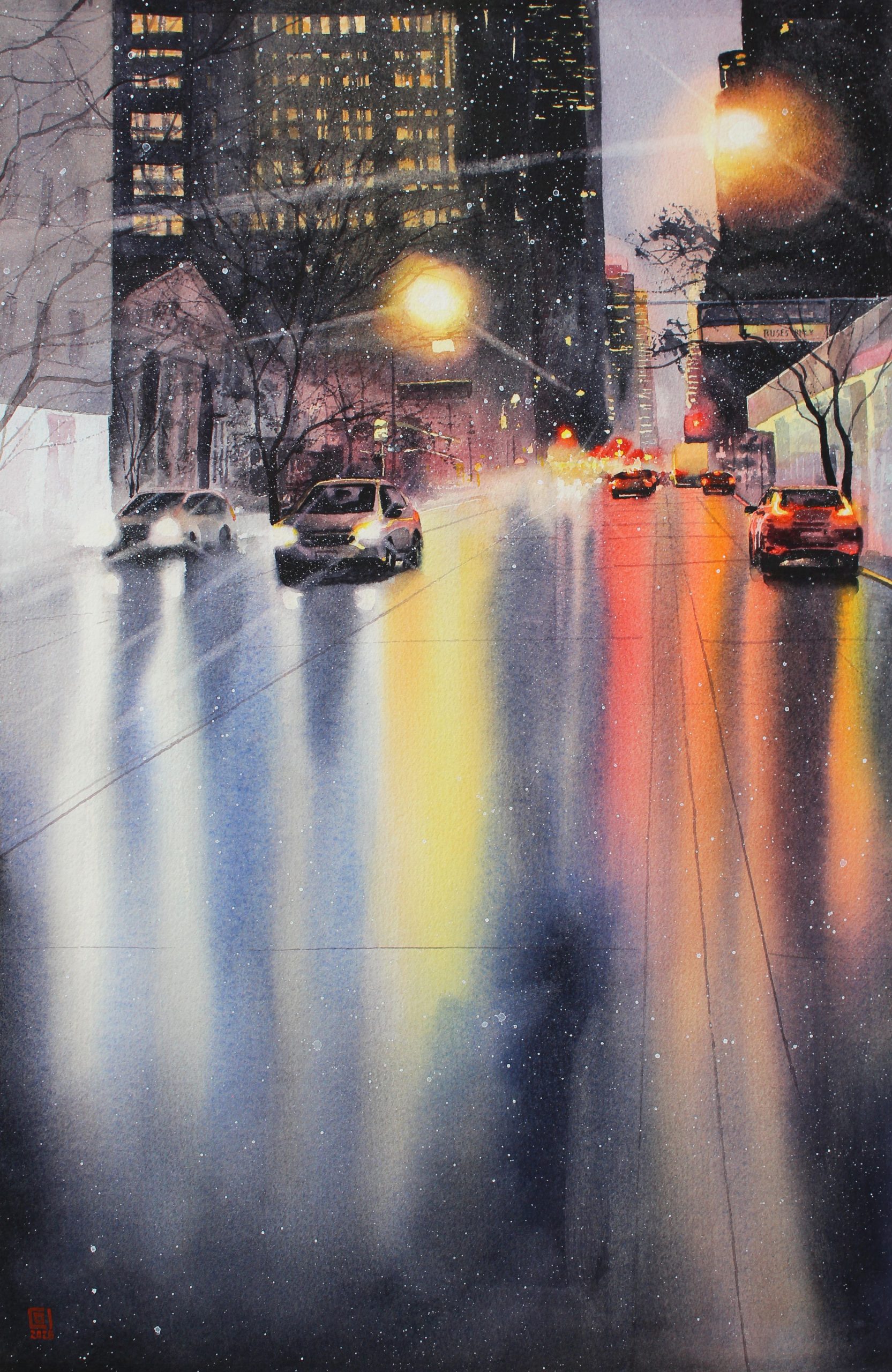
Car headlights also create intriguing plays of light; Christian Koivumaa captures this phenomenon on the streets of New York.
From America, we move to Australia through the work of Joseph Zbukvic, who focuses on the streets of Melbourne.

Neil Douglas takes us from New York to Berlin, where he depicts a sky-blue vintage Citroën 2CV.

We conclude with an iconic London taxi, captured by Massimiliano Muner using a fisheye lens.

The painter and the sea

Free man, you will always cherish the sea!
The sea is your mirror; you contemplate your soul
In the infinite unrolling of its billows;

C. Baudelaire


Representing both the idea of ​​freedom and dynamism and a confrontation with the abyss—whether real or internal—the sea has long captivated painters, who have celebrated its many facets since ancient times.

Here is a selection of works with a maritime theme: from Christian Koivumaa’s North Sea to Joseph Zbukvic’s Australian beaches; from studies of waves by Tom Porta and Guillermo Simòn to Giulio Ruffini’s metaphysical vision.


Le città nella pittura

You do not enjoy a city for its seven or seventy-seven wonders, but for the answer it gives to a question of yours.
(Italo Calvino)

Perhaps we should start here—with a thought from a literary “giant”—to reflect on why the urban theme continues to fascinate painters and visual art enthusiasts alike.

From Canaletto’s celebrated views of Venice to Impressionist Paris, from Kirchner’s Berlin to Sironi’s Milan, city streets have spoken to us through canvases, illustrating the life of those times while simultaneously revealing the certainties or fears, anxieties and hopes of the artists communicating their worldview.

The city serves as a place of exploration where one can lose and rediscover oneself, unearthing answers to our questions amidst the straight or jagged lines of buildings and streetlamps.

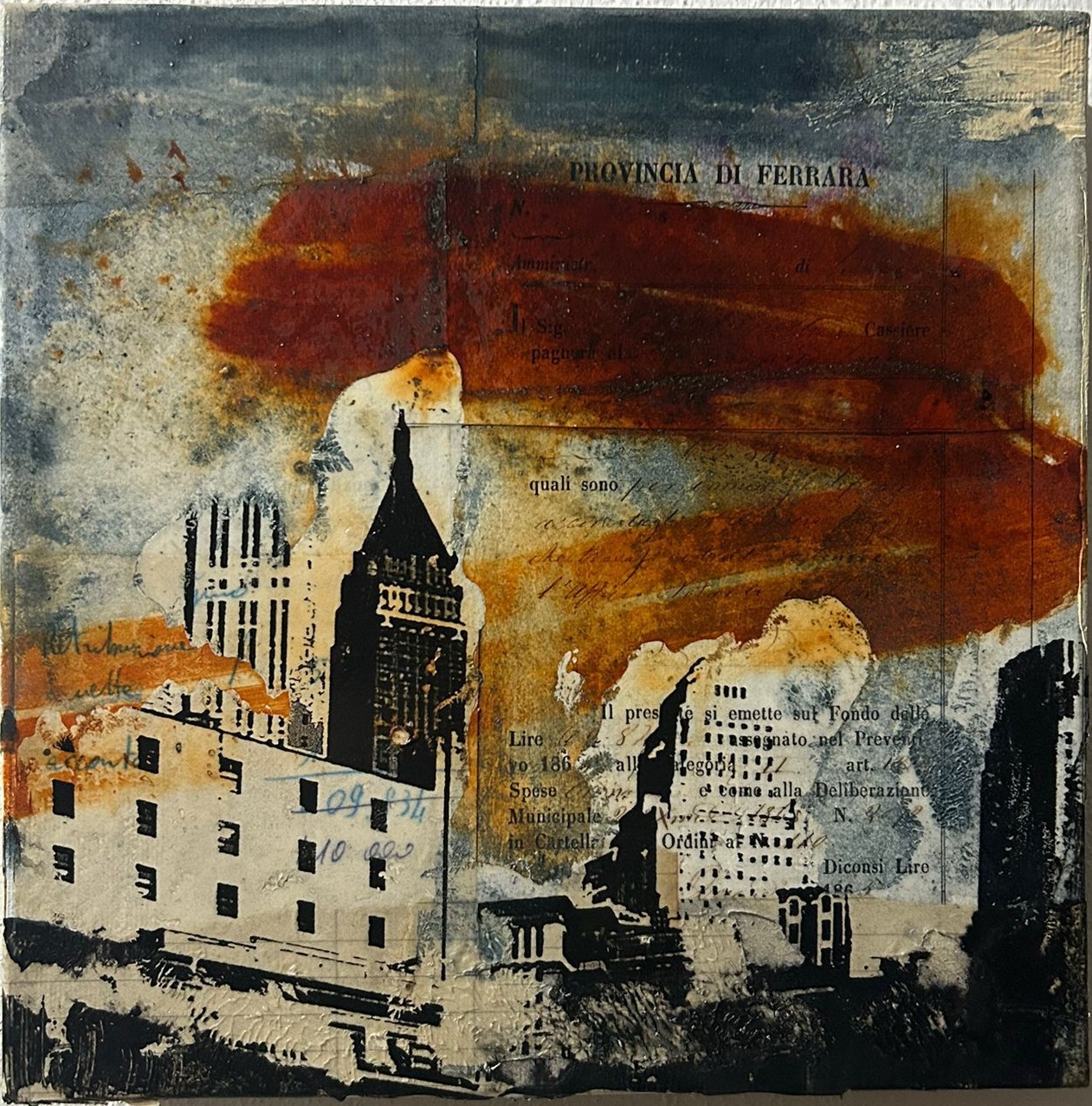
Daniele Cestari, an architect by training, has made cityscapes the foundation of his artistic inquiry, yet he strips away their specific recognizability: a city is a city, and a suburban street will always evoke our own lived experiences, regardless of whether the building is actually in Ferrara or New York.

A domestic dimension of the urban landscape emerges in the work of Andrej Mussa, who loves to bring suburban vistas back to life—scenes where we can rediscover moments from our own past.

Closer to an “Impressionist” sensibility, meanwhile, are the watercolors of Joseph Zbukvic; he delights in capturing the atmosphere of the places he visits, allowing us to admire glimpses of cities across the globe. When discussing cities, one cannot overlook New York—the quintessential metropolis and an essential subject for exploration. Artists approach it in various ways: some, like Neil Douglas, analyze its architectural aspects; others, like Christian Koivumaa, are drawn to the lights of the streets and cars stalled in traffic; while others still—such as Francesca Galliani, a true New Yorker—examine the symbols and values ​​the city embodies.

We invite you to view a selection of works on this theme, in the hope that you will find the answer to your question.

Cities in paintings

You do not enjoy a city for its seven or seventy-seven wonders, but for the answer it gives to a question of yours.
(Italo Calvino)

Perhaps we should start here—with a thought from a literary "giant"—to reflect on why the urban theme continues to fascinate painters and visual art enthusiasts alike.

From Canaletto’s celebrated views of Venice to Impressionist Paris, from Kirchner’s Berlin to Sironi’s Milan, city streets have spoken to us through canvases, illustrating the life of those times while simultaneously revealing the certainties or fears, anxieties and hopes of the artists communicating their worldview.

The city serves as a place of exploration where one can lose and rediscover oneself, unearthing answers to our questions amidst the straight or jagged lines of buildings and streetlamps.

Daniele Cestari, an architect by training, has made cityscapes the foundation of his artistic inquiry, yet he strips away their specific recognizability: a city is a city, and a suburban street will always evoke our own lived experiences, regardless of whether the building is actually in Ferrara or New York.

A domestic dimension of the urban landscape emerges in the work of Andrej Mussa, who loves to bring suburban vistas back to life—scenes where we can rediscover moments from our own past.

Closer to an "Impressionist" sensibility, meanwhile, are the watercolors of Joseph Zbukvic; he delights in capturing the atmosphere of the places he visits, allowing us to admire glimpses of cities across the globe. When discussing cities, one cannot overlook New York—the quintessential metropolis and an essential subject of exploration. Some, like Neil Douglas, analyze its architectural aspects; others, like Christian Koivumaa, are drawn to the lights of the streets and cars stalled in traffic; while others still—such as Francesca Galliani, a true New Yorker—examine the symbols and values ​​the city conveys.

We invite you to view a selection of works on this theme, in the hope that you will find the answer to your question.

Nuove proposte – Christian Koivumaa

We are pleased to present the work of Christian Koivumaa, a Swedish watercolorist who loves depicting the landscapes and locations of his homeland.

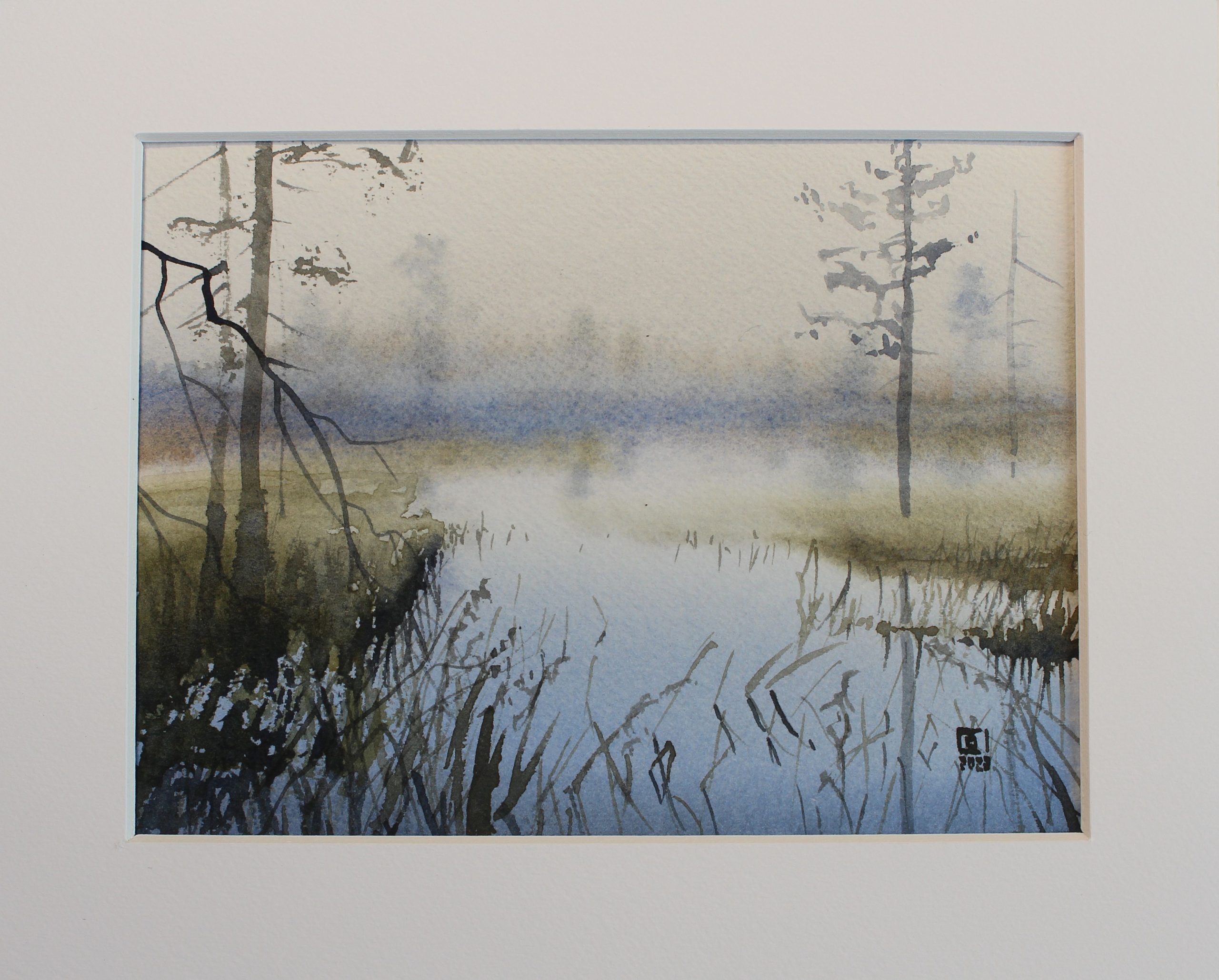
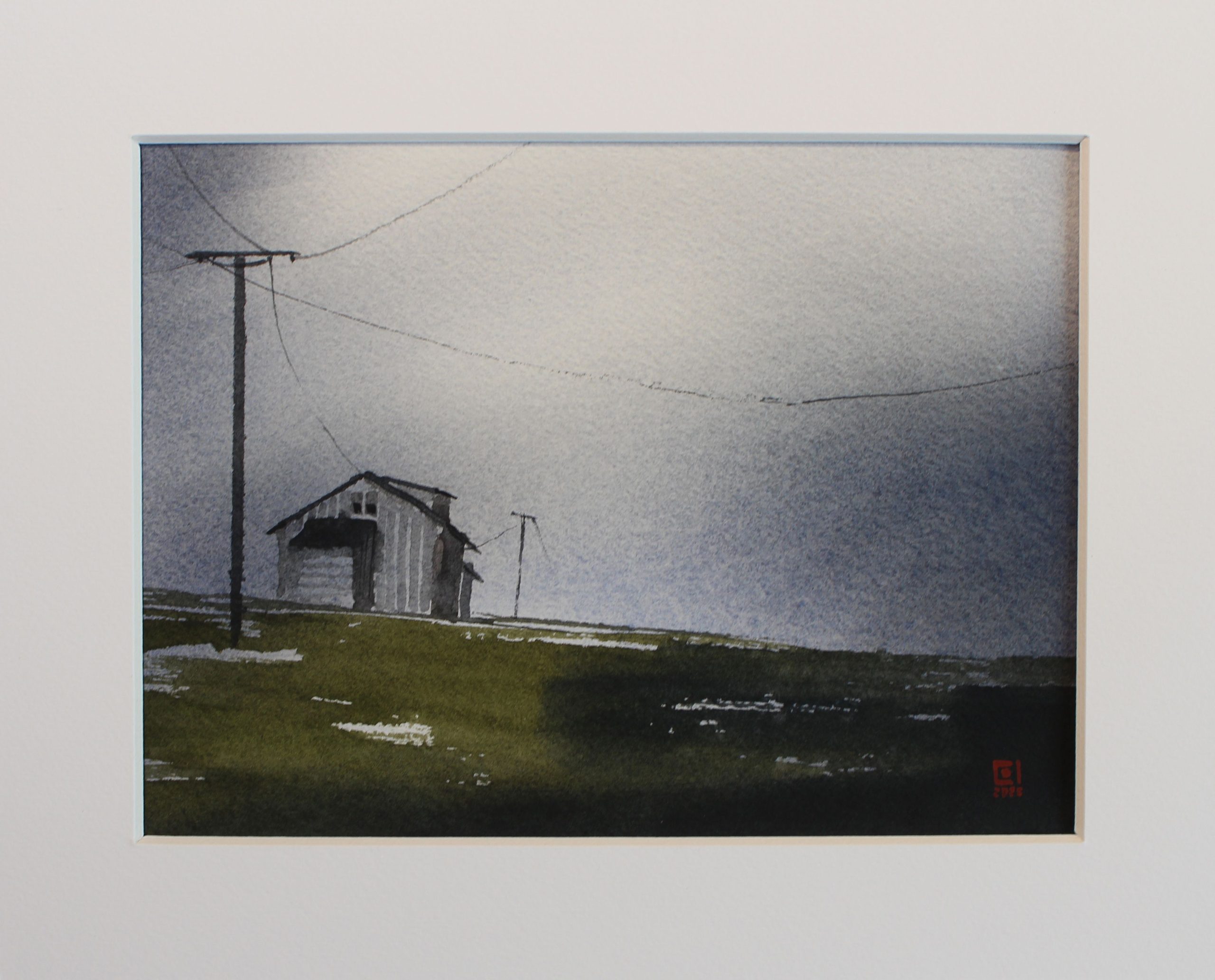
His passion for watercolor stems in part from the medium's inherent unpredictability; despite his excellent technical mastery, Koivumaa remains open to new possibilities, constantly seeking something different that might surprise him and enrich his experience.

He employs transparent layers and the "wet-on-wet" technique, enabling him to create richly detailed works characterized by a distinctive use of light.

For a Swede who spends many months in darkness, recreating light has a beneficial—almost therapeutic—effect. We are thus invited to admire everything from the soft light of landscapes and the shimmering glow of the Aurora Borealis to the bold contrasts of city lights.


Nuove proposte – Christian Koivumaa

We are pleased  to present the work of Christian Koivumaa, a Swedish watercolorist who loves depicting the landscapes and locations of his homeland.

His passion for watercolor stems in part from the medium's inherent unpredictability; despite his excellent technical mastery, Koivumaa remains open to new possibilities, constantly seeking something different that might surprise him and enrich his experience.

He employs transparent layers  and the "wet-on-wet" technique, enabling him to create richly detailed works characterized by a distinctive use of light.

For a Swede who spends many months in darkness, recreating light has a beneficial—almost therapeutic—effect. We are thus invited to admire everything from the soft light of landscapes and the shimmering glow of the Aurora Borealis to the bold contrasts of city lights.


For more information, please provide us with your contact details.