Giulio Ruffini

Giulio Ruffini

Bagnacavallo,

1921

- Ravenna,

2011

Bio

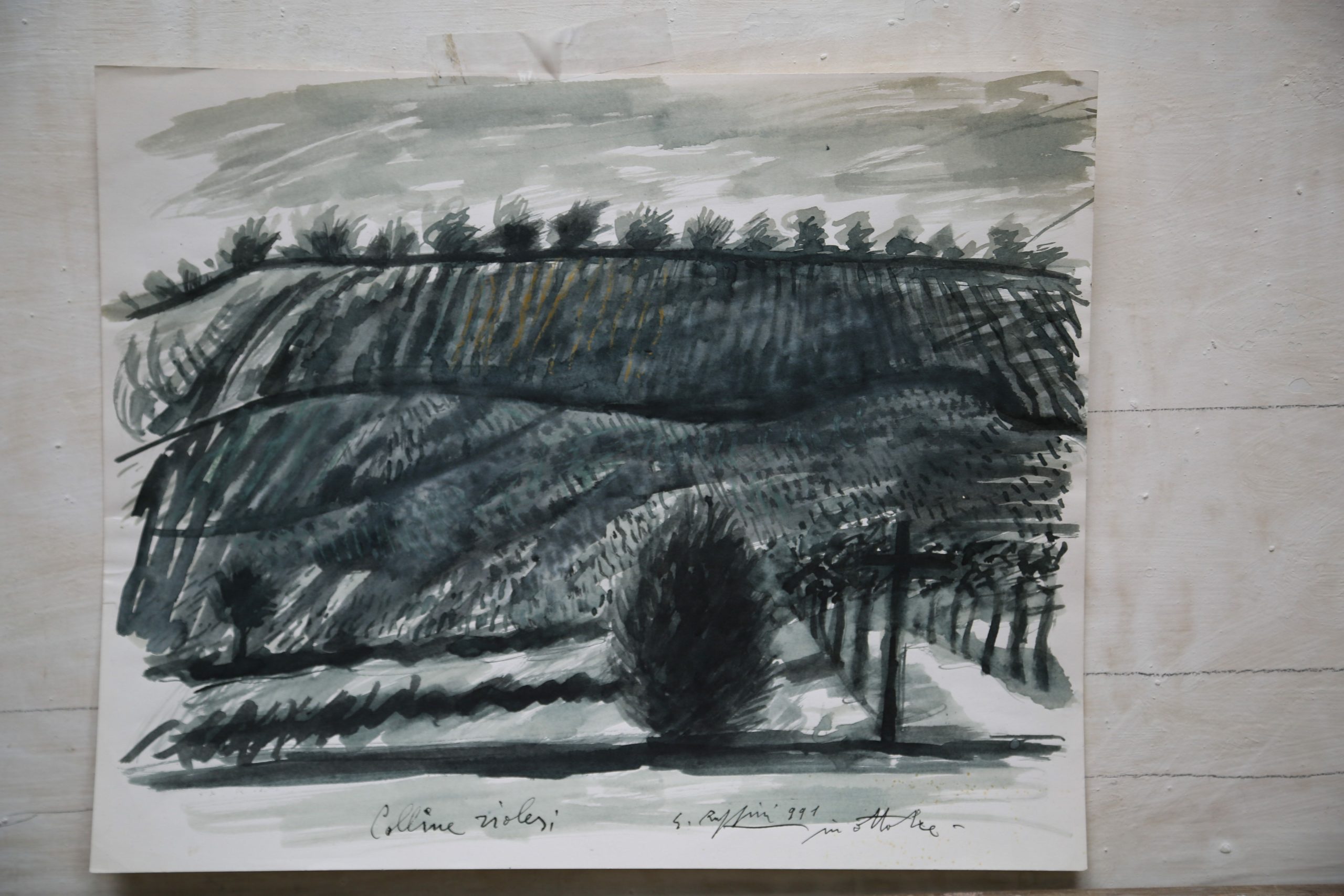
Giulio Ruffini nasce il 18 luglio 1921 a Glorie di Bagnacavallo (RA), figlio unico di una bracciante agricola e di un operaio che scompare prematuramente. Il contesto provinciale nel quale cresce e lo stile di vita della madre, fatto di fatica massacrante nei campi e sacrificio casalingo, segneranno particolarmente Giulio, che nella sua attività artistica dedicherà ampio spazio al mondo rurale contadino. Frequenta le scuole tecniche, al termine delle quali inizia a lavorare, per lo più come elettricista al fianco di uno zio. Sin dai tempi della scuola dimostra un particolare talento per il disegno, che svilupperà a partire dal 1942, anno in cui Ruffini inizia a frequentare a Cotignola la Scuola di Arti e Mestieri di Luigi Varoli. Nel dopoguerra partecipa a diversi concorsi di pittura ottenendo riconoscimenti e apprezzamenti: vince il “Premio Diomira” a Milano (1951), si aggiudica il “Premio Suzzara” (1952) con l’opera”Pietà per il bracciante ucciso”, il cui tema sociale lo fa accreditare dalla critica nell’ambito del movimento realista, e ottiene il primo premio alla “Biennale Romagnola” a Imola (1953). Il 1954 è un anno cruciale per Ruffini: allestisce la prima mostra personale al Circolo di Cultura di Bologna e presenta alla XXVII Biennale di Venezia i tre oli”Vasi e cestino con foglie”,”Natura morta con pane” e”Due braccianti che riposano”. I successi artistici continuano nel 1955 con il premio alla “Mostra della Resistenza” di Ferrara e con gli inviti alla Quadriennale di Roma e alla mostra “60 artisti del prossimo trentennio” allestita a Prato da Carlo Ludovico Ragghianti.

Dal 1956 la frequentazione di Mattia Moreni, già conosciuto ai tempi della scuola di Varoli, porta Giulio Ruffini a sperimentare nuove forme e nuovi linguaggi; se fino a questa data la sua attività artistica si è concentrata su ritratti, nature morte e scene contadine dal sapore realista (tematica che continuerà a dipingere per tutta la vita, sia per l’intima familiarità del soggetto, sia per le richieste della committenza), dalla fine degli anni Cinquanta l’artista indaga forme di convergenza fra il linguaggio realista e le poetiche informali ed espressioniste. Questa ricerca troverà un felice esito nelle numerose ”Crocifissioni” che si susseguono negli anni Sessanta, in un crescendo di accenti dolorosi e drammatici.

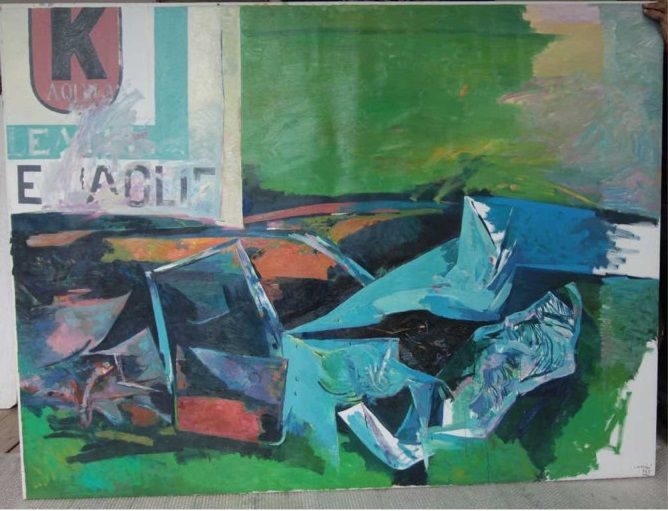
Nel 1957 diventa insegnante di “Disegno e Figura” al Liceo Artistico di Ravenna, attività che proseguirà fino al 1982. A Ravenna Ruffini dipinge vedute urbane e scene di genere che raccontano lo stile di vita cittadino; dalla frequentazione della città nasce una riflessione sulla mutazione del paesaggio da rurale a metropolitano, sulla fine della civiltà contadina e di quell’etica del lavoro e della fatica ereditata della madre. La serie degli “Incidenti”, cui Ruffini si dedica per qualche anno a partire dal 1964, con i suoi grovigli di corpi e lamiere e con i suoi enigmatici cartelli stradali, vuole essere una metafora del pericoloso avanzare della modernità.

Negli anni Sessanta continuano le partecipazioni a manifestazioni nazionali: nel 1965 vince il premio cartone per mosaico “Omaggio a Dante”, mentre si aggiudica il secondo premio a Suzzara nel 1960 e nel 1967 con le opere “Natura morta povera” e “Uomo travolto” (olio su tela, 1965), come pure al “Premio Silvestro Lega” di Modigliana (FC) nel 1963, e al “Premio Campigna” di Santa Sofia (FC) nel 1967 e nel 1973. Nel 1968 viene pubblicata dalla Galleria d’Arte La Bottega di Ravenna l’importante monografia curata da Raffaele De Grada che rappresenta il primo organico tentativo di storicizzazione della sua opera.

Negli stessi anni le serie della ”Scomparsa della Romagna”, dei “Monumenti” dedicati alla madre, al contadino, al poeta contadino, delle “Rovine, delle “Archeologie” inaugurano una nuova fase di Giulio Ruffini, che dalla fine degli anni Sessanta si dedica a una ricerca intimistica introspettiva, dando vita a opere dalla forte connotazione simbolica e allegorica, in cui dato reale e ricordi convivono in atmosfere dal sapore surrealista. I protagonisti sono ancora una volta il mondo rurale e la cultura contadina, percepiti ormai da Ruffini come simboli di un mondo scomparso. Il tono malinconico di questi dipinti si trasforma in sarcasmo nei disegni e nelle incisioni, in cui Ruffini racconta satiricamente ed allegoricamente la realtà politica italiana.

Nei due decenni successivi Giulio Ruffini nella sua casa-studio di Mezzano è molto prolifico dal punto di vista artistico, tuttavia diventa più schivo ad apparire in pubblico. Tra le partecipazioni più rilevanti a partire dagli anni Settanta si ricordano la Biennale d’Arte “Città di Milano” (Palazzo della Permanente, 1971), la grande mostra “Tre artisti in Romagna: Piraccini, Ruffini, Sartelli” presentata da Francesco Arcangeli (Faenza, 1973), “Disegno e piccola scultura” (Milano, 1976), “Arte e mondo contadino” (Torino e Matera, 1980), la Biennale Nazionale di Grafica “A. Martini” (Oderzo, 1988), “Pittura in Romagna. Aspetti e figure del ‘900” (Cesena, 2001).

Da citare le mostre personali che gli vengono dedicate a Ferrara presso Palazzo dei Diamanti (1970), a Ravenna presso la Galleria La Bottega (1972), la Loggetta Lombardesca (1997) e la Biblioteca Classense (2007), a Forlì a Palazzo Albertini (2002), ad Alfonsine (2006) e a Lugo nel 2011, pochi mesi prima della sua scomparsa.

Giulio Ruffini muore a Ravenna il 1° settembre 2011, a 90 anni.

Artworks

News

Automobili

"We declare that the splendor of the world has been enriched by a new beauty: the beauty of speed. A racing car, with its hood adorned by thick pipes like serpents with explosive breath... a roaring automobile, which seems to race on a hail of machine-gun fire, is more beautiful than the Winged Victory of Samothrace." — Filippo Marinetti, "Futurist Manifesto"


More than a century ago, in his "Futurist Manifesto," Filippo Marinetti proclaimed the beauty of the automobile; over time, this four-wheeled "speed machine" has become a beloved subject for artists everywhere.


Here, we present a few examples—spanning both painting and photography—that capture the distinct poetics underlying each work.


The art of Ali Moradi reflects a life lived between two opposing worlds: the noisy environment of his father’s auto-repair workshop, and the silence and expressiveness of the world of painting. These experiences eventually merged into a worldview in which the cold metal of automobiles and the fluid nature of art combine to form a unique language for expressing emotions.

In the work "Car," Francesca Galliani depicts an imposing red vehicle moving across old printed pages—perhaps a cautionary note on the rapid passage of time.

The work of Enrico Pescantini, drawn from his series on Barbie, juxtaposes the vintage cars of Cuba with the convertible belonging to the world’s most famous doll; both are linked by an unmistakable, vibrant "shocking pink."

Giulio Ruffini’s paintings are part of his "Road Accidents" series, begun in the mid-1960s—a period defined by the economic boom and mass industrialization. As the metropolitan landscape transformed, streets became crowded with signs, traffic signals, and automobiles. By depicting crumpled sheet metal and injured bodies on a large scale, Ruffini issued a warning against this reckless race toward the future.

Automobiles now populate—and, one might say, congest—our streets. Carolina Magnin, reworking vintage photographs from the 1950s and 60s, portrays them packed into parking lots or caught in traffic jams throughout the city.

Car headlights also create intriguing plays of light; Christian Koivumaa captures this phenomenon on the streets of New York.
From America, we move to Australia through the work of Joseph Zbukvic, who focuses on the streets of Melbourne.

Neil Douglas takes us from New York to Berlin, where he depicts a sky-blue vintage Citroën 2CV.

We conclude with an iconic London taxi, captured by Massimiliano Muner using a fisheye lens.

Giulio Ruffini – Watercolors

I am pleased to present a small selection of watercolors by this artist from Romagna, tracing his artistic evolution and exploration from the 1960s to the early 2000s.

Particularly striking are several works from the 1980s, steeped in a metaphysical atmosphere: objects and figures are set upon a wooden surface, with the sea—that of his beloved Romagna, a constant presence throughout Ruffini’s long career—appearing in the background.

These paintings possess a magical, nostalgic quality that captivates the viewer and inspires a desire to dream.

Ritratti

Since ancient times, the portrait has held a prominent place among the subjects of works of art.

From then until now, artists’ interest in engaging with this theme has never waned.

In this selection, we present works centered on this theme by five different artists, employing a variety of techniques—ranging from drawing and painting to photography and sculpture.

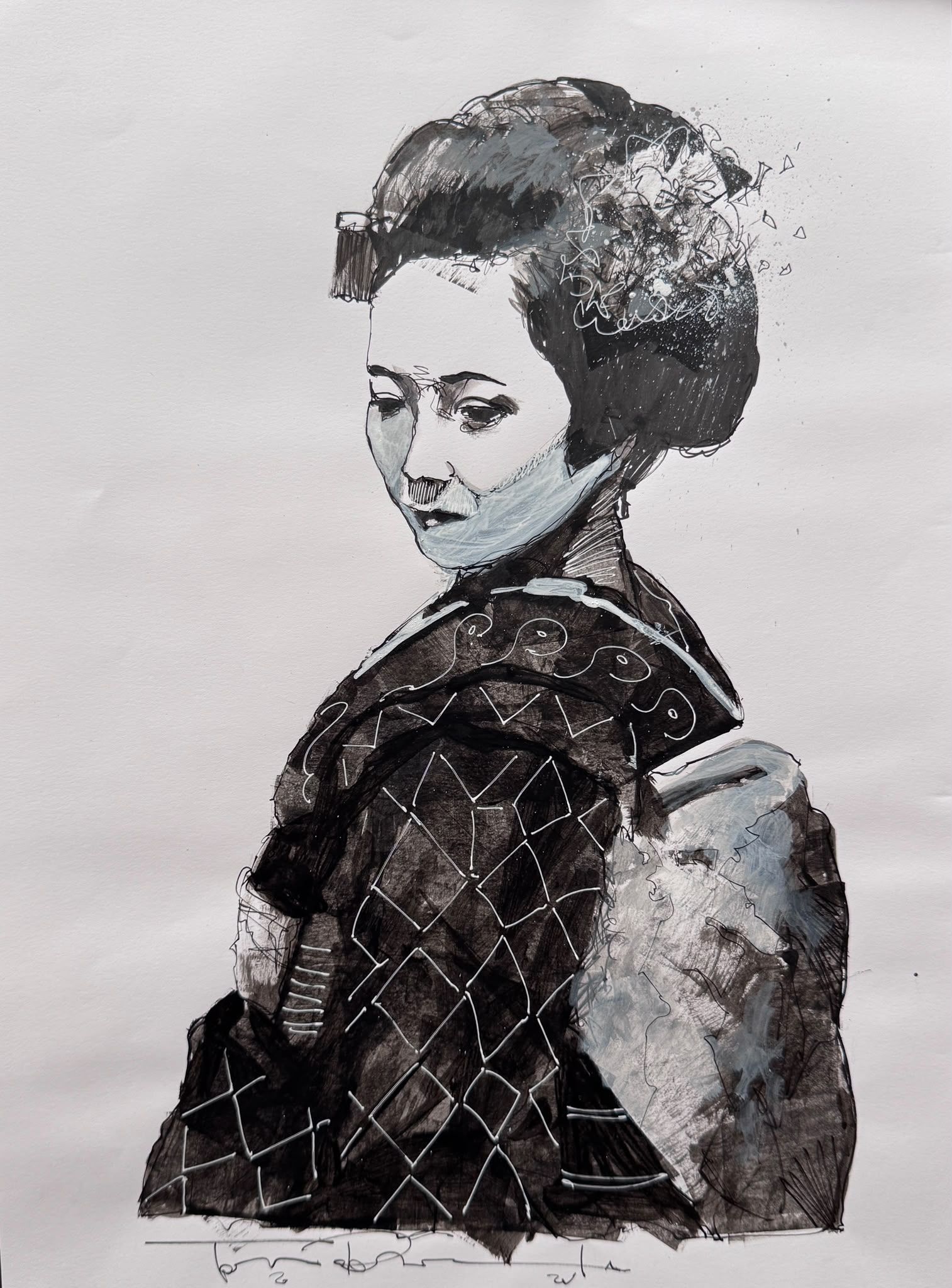
Tom Porta presents a series of pencil and ink drawings dedicated to Japanese geishas. These intimate pieces focus on the intricate details of their attire and hairstyles, transporting the viewer to a distant world.

No such selection would be complete without drawings and sketches by Pietro Annigoni—a portraitist par excellence, perhaps best known for his celebrated portrait of Queen Elizabeth II.

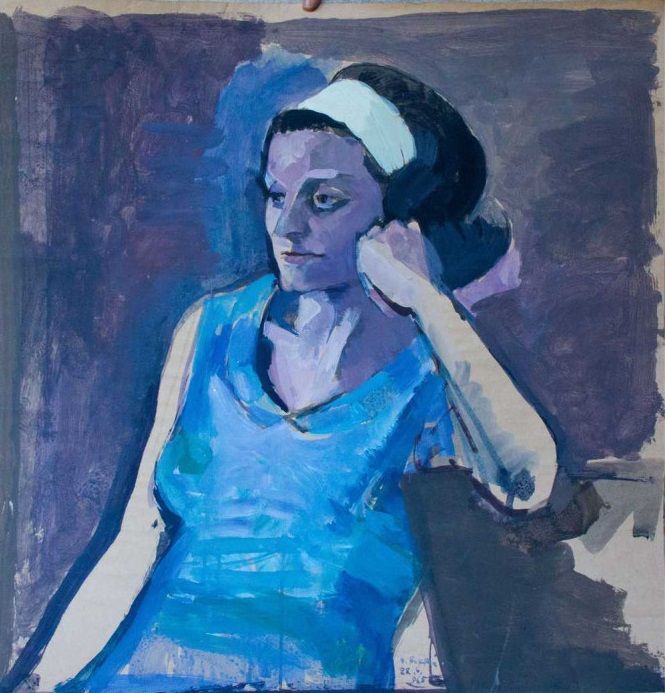
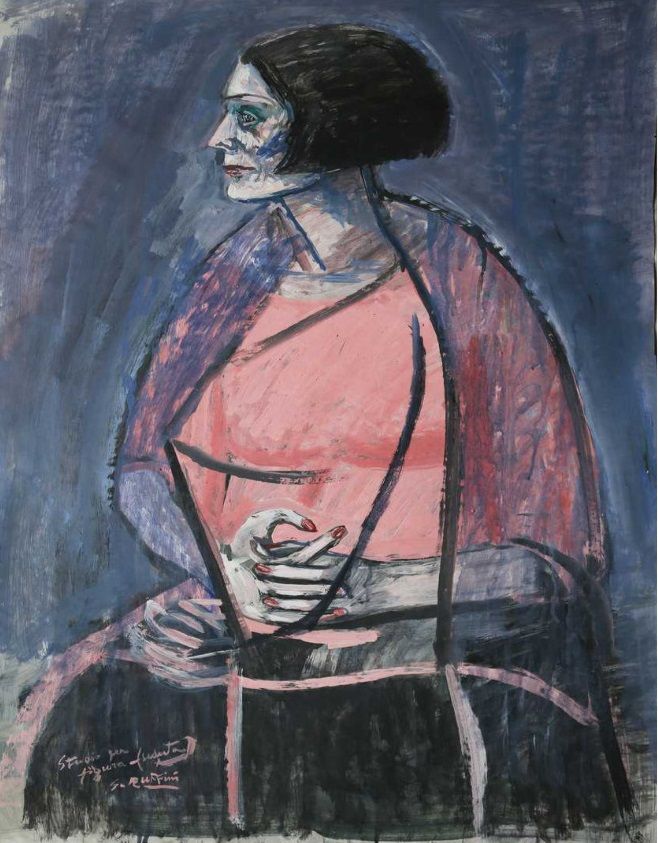
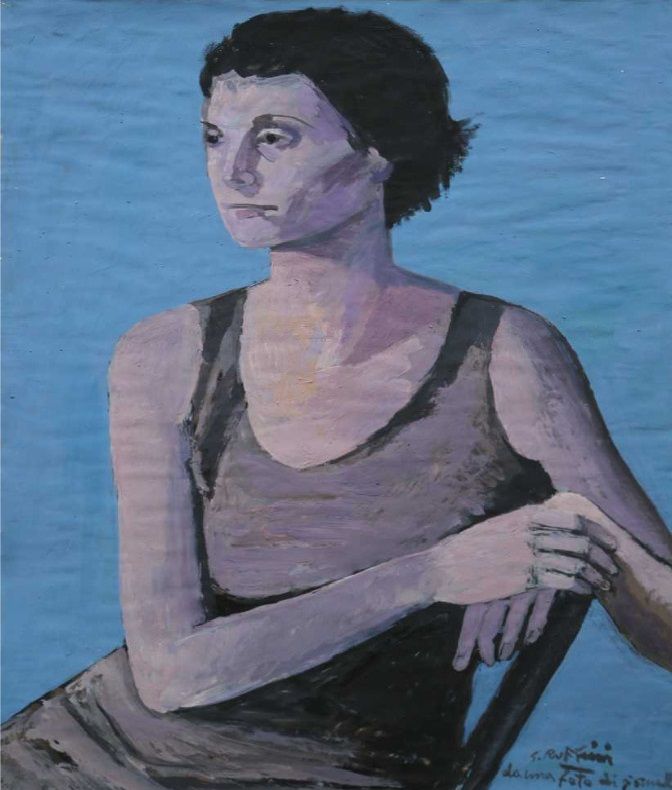
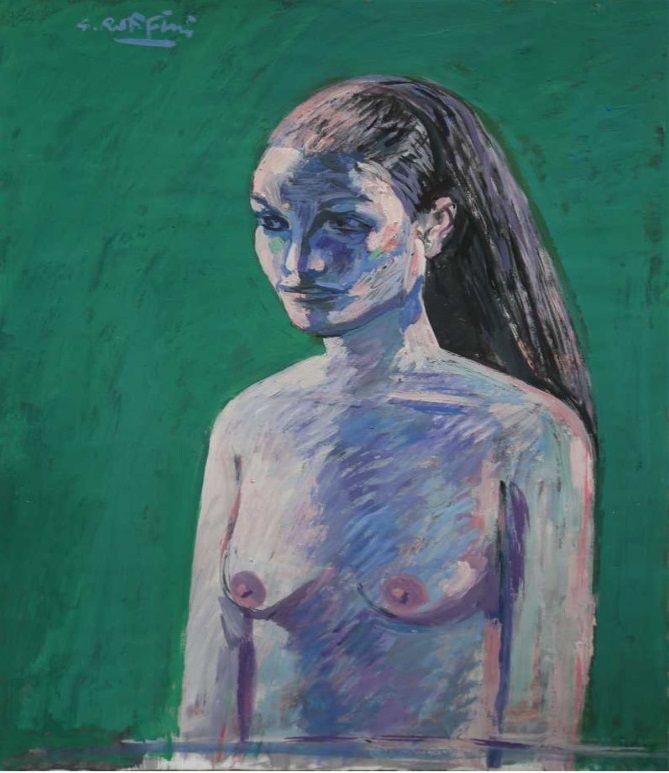
Giulio Ruffini portrays the strong, hardworking women of his native Romagna, as well as female figures captured in more private, personal moments—whether elegant and made up, ready for an evening out, or relaxed and lost in their own thoughts. This selection includes works spanning from the 1960s onwards.

Turning to photography, we feature works by Francesca Galliani, captured on black-and-white film and printed using traditional analog techniques, with manual toning applied. Her subjects—primarily young women and children—were captured during her travels across Asia and South America.

Finally, we present three small terracotta sculptures by Elena Mutinelli; two of these depict African women and are marked by a profound expressive power.

Disegni

Drawing can be defined as the mother of all visual arts; it often transcends its role as mere preparation for a painting or sculpture, becoming a small masterpiece in its own right. This has always been the case—from the pencil and red chalk (sanguine) masterpieces of the great Renaissance masters, all the way to the present day.

In this brief selection, we present drawings by four artists—from the past and the present—each with distinct styles and characteristics.

Pietro Annigoni is known for having produced an extensive body of drawings, which highlight his remarkable technical skill and his sensitivity in recreating settings and figures with just a few strokes.

Giulio Ruffini also dedicated much of his practice to drawing; featured here are works spanning from the 1950s to the 1990s, depicting places where he once stayed—from the streets of Paris to views of the rolling hills.

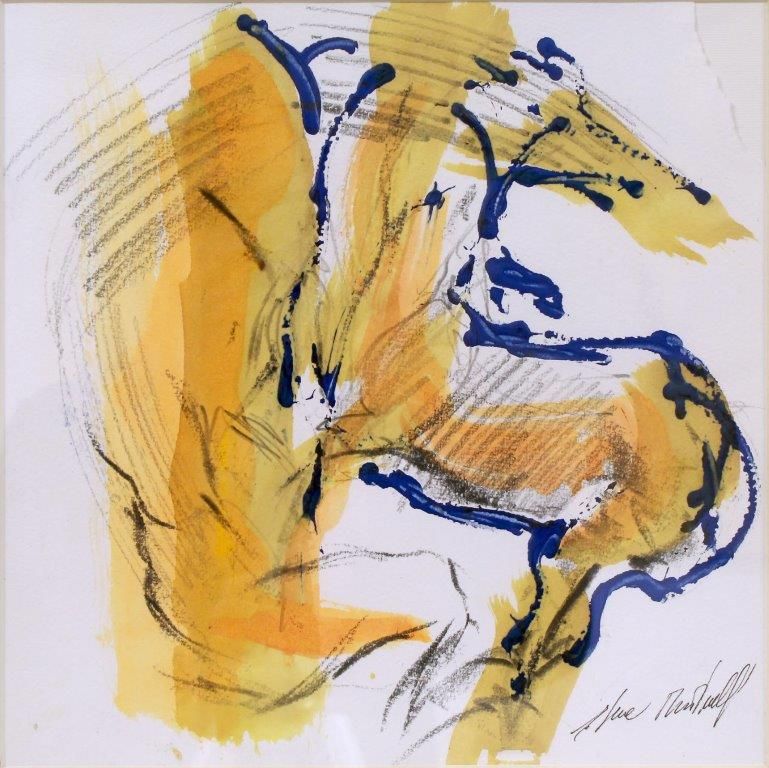
The drawings by Elena Mutinelli—originally conceived as sketches for her sculptures of centaurs, specifically "Pholus" and "Chiron"—serve as a classic example of graphic work that extends beyond the sculpture itself, imbued with its own unique strength and poetry.

These drawings by Roshanak Khalilian are part of a series created in 2025 during a workshop at the Château de La Marthonie, in France. They are intimate works in which the artist fosters a dialogue between the piano—and its music—and the surrounding architecture.


The painter and the sea

Free man, you will always cherish the sea!
The sea is your mirror; you contemplate your soul
In the infinite unrolling of its billows;

C. Baudelaire


Representing both the idea of ​​freedom and dynamism and a confrontation with the abyss—whether real or internal—the sea has long captivated painters, who have celebrated its many facets since ancient times.

Here is a selection of works with a maritime theme: from Christian Koivumaa’s North Sea to Joseph Zbukvic’s Australian beaches; from studies of waves by Tom Porta and Guillermo Simòn to Giulio Ruffini’s metaphysical vision.


For more information, please provide us with your contact details.