Elena Mutinelli

Elena Mutinelli

Milano,

1967

Bio

Elena Mutinelli – Scultrice (n. Milano 1967). Fin da adolescente frequenta a Milano lo studio di Gino Cosentino, scultore di origine siciliana, allievo di Arturo Martini, che le trasmette l’amore per il marmo e la forma. Nel 1990 si laurea in Scultura all’Accademia di Belle Arti di Brera con i docenti Alik Cavaliere, Andrea Cascella, Lidia Silvestri.

Nipote dello scultore Silvio Monfrini, autore del monumento a Francesco Baracca a Milano e allievo di Ernesto Bazzaro, approfondisce lo studio della scultura partendo dalla tradizione, via via avvalorando lo sviluppo della sua ricerca espressiva con un taglio innovativo e maturo nel panorama del contemporaneo; ne sono espressione le recenti installazioni.

Nel 1992 Elena Mutinelli viene selezionata dalla Veneranda Fabbrica del Duomo di Milano per assumere l’incarico di scultrice dell’Opera della Cattedrale; committenza che durerà attivamente fino al 2005 per la riproduzione fedele delle sculture e degli ornati del Duomo in marmo di Candoglia, scolpiti dalla Mutinelli presso il proprio studio, senza mediazioni di artigiani e laser 3d, per la sostituzione degli originali: guglie, fiocchi ed archettoni, compromessi dal tempo.

Le opere di Elena Mutinelli sono state esposte in mostre personali e collettive in prestigiosi ambiti museali istituzionali quali Museo fondazione Giudici, Lugano, GAM Galleria di Arte Moderna di Catania, Mart di Rovereto, Museo Pinacoteca di Volterra, Palazzo Monte di Pietà, Padova, Piano Nobile del Caffè Pedrocchi, Padova, Palazzo Reale, Milano, Musei civici di Monza, Museo di Scultura della Library Sylacauga, Alabama, USA, e Palazzo della Permanente, Milano.

Le recenti esposizioni di Elena Mutinelli la vedono inserita negli scenari artistici internazionali più significativi, in dialogo diretto con i grandi nomi dell’arte moderna e contemporanea a fianco dei maestri di primo piano delle avanguardie storiche e del contemporaneo, come in “Incontro e abbraccio nella scultura del Novecento da Rodin a Mitoraj”, a cura di Maria Beatrice Aituzi e Alfonso Pluchinotta; in “Essenzialmente la mano”, a cura di Franco Bassetto, Alfonso Pluchinotta, Annamaria Sandonà, in “Canova tra innocenza e peccato”, a cura di Beatrice Avanzi e Denis Isaia.

Artworks

News

Ritratti

Since ancient times, the portrait has held a prominent place among the subjects of works of art.

From then until now, artists’ interest in engaging with this theme has never waned.

In this selection, we present works centered on this theme by five different artists, employing a variety of techniques—ranging from drawing and painting to photography and sculpture.

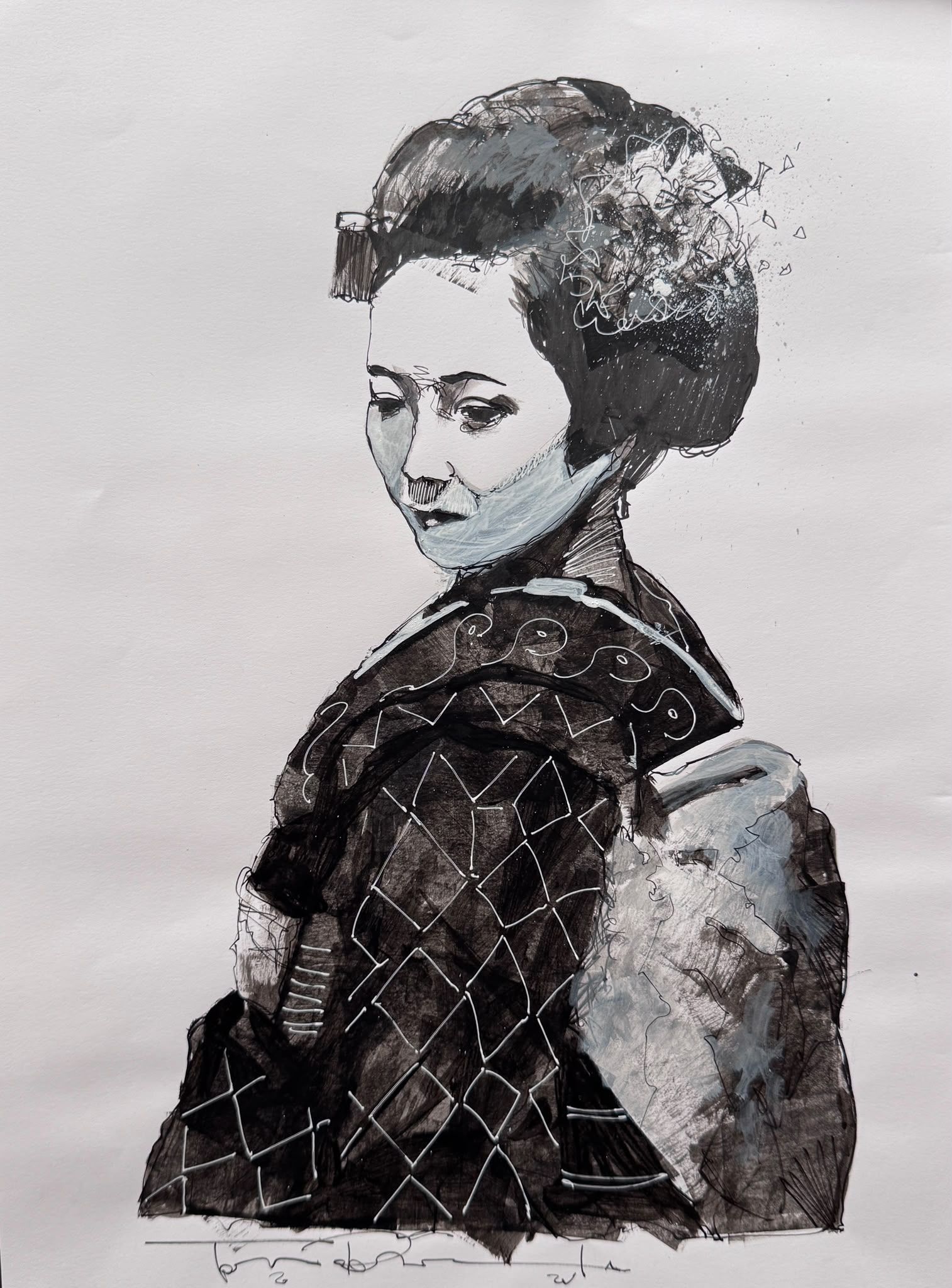
Tom Porta presents a series of pencil and ink drawings dedicated to Japanese geishas. These intimate pieces focus on the intricate details of their attire and hairstyles, transporting the viewer to a distant world.

No such selection would be complete without drawings and sketches by Pietro Annigoni—a portraitist par excellence, perhaps best known for his celebrated portrait of Queen Elizabeth II.

Giulio Ruffini portrays the strong, hardworking women of his native Romagna, as well as female figures captured in more private, personal moments—whether elegant and made up, ready for an evening out, or relaxed and lost in their own thoughts. This selection includes works spanning from the 1960s onwards.

Turning to photography, we feature works by Francesca Galliani, captured on black-and-white film and printed using traditional analog techniques, with manual toning applied. Her subjects—primarily young women and children—were captured during her travels across Asia and South America.

Finally, we present three small terracotta sculptures by Elena Mutinelli; two of these depict African women and are marked by a profound expressive power.

Disegni

Drawing can be defined as the mother of all visual arts; it often transcends its role as mere preparation for a painting or sculpture, becoming a small masterpiece in its own right. This has always been the case—from the pencil and red chalk (sanguine) masterpieces of the great Renaissance masters, all the way to the present day.

In this brief selection, we present drawings by four artists—from the past and the present—each with distinct styles and characteristics.

Pietro Annigoni is known for having produced an extensive body of drawings, which highlight his remarkable technical skill and his sensitivity in recreating settings and figures with just a few strokes.

Giulio Ruffini also dedicated much of his practice to drawing; featured here are works spanning from the 1950s to the 1990s, depicting places where he once stayed—from the streets of Paris to views of the rolling hills.

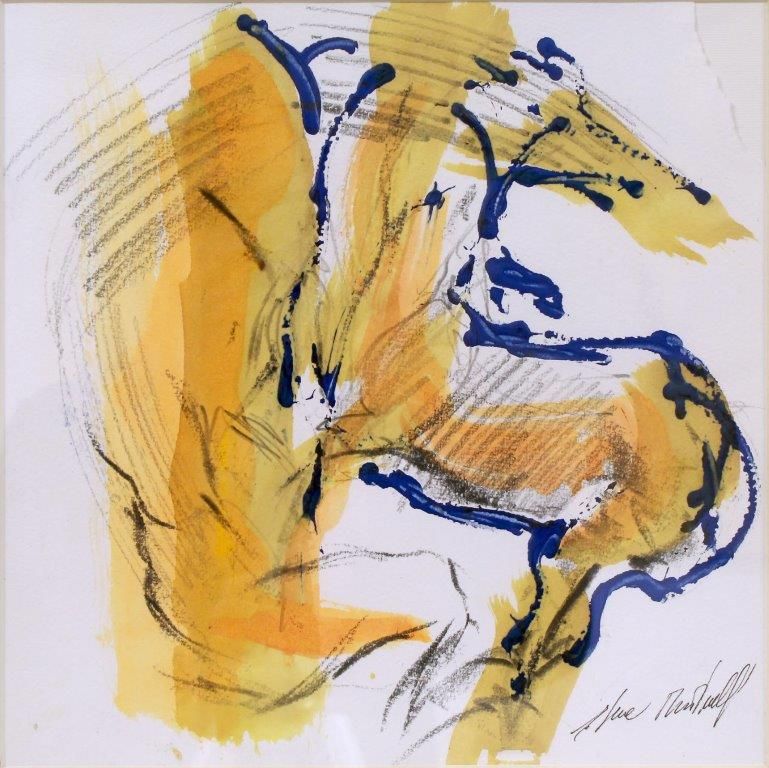
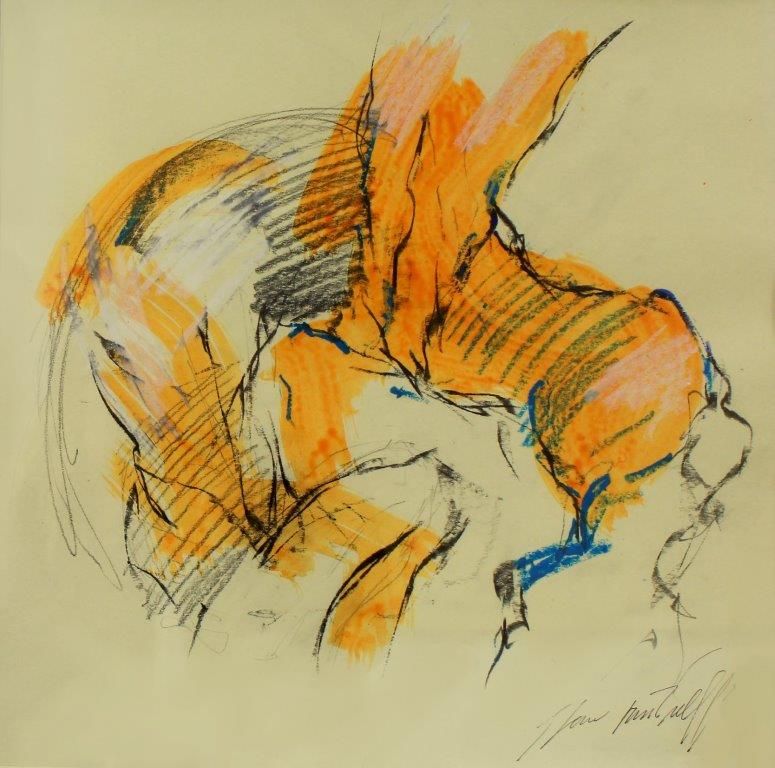
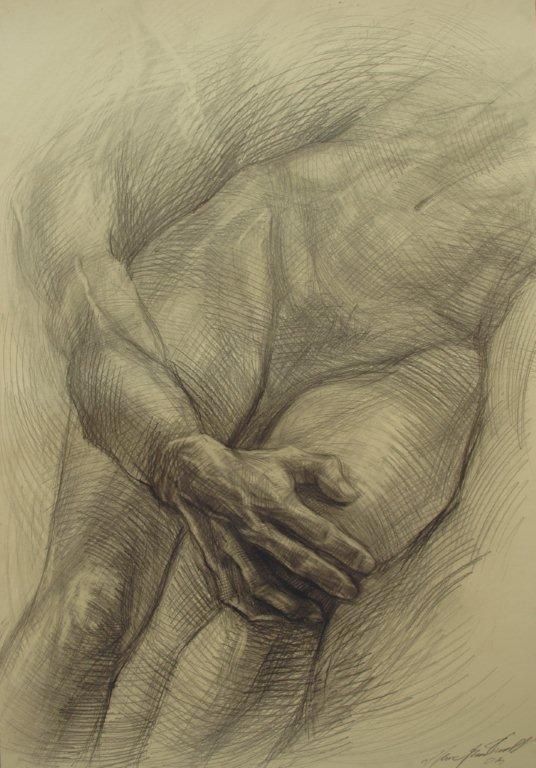
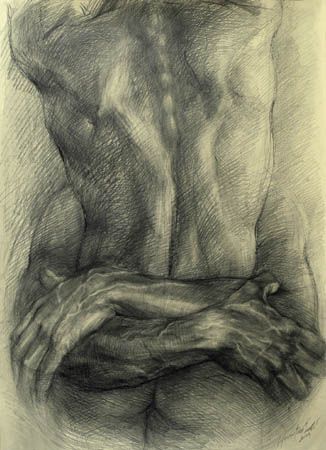
The drawings by Elena Mutinelli—originally conceived as sketches for her sculptures of centaurs, specifically "Pholus" and "Chiron"—serve as a classic example of graphic work that extends beyond the sculpture itself, imbued with its own unique strength and poetry.

These drawings by Roshanak Khalilian are part of a series created in 2025 during a workshop at the Château de La Marthonie, in France. They are intimate works in which the artist fosters a dialogue between the piano—and its music—and the surrounding architecture.


For more information, please provide us with your contact details.